Wednesday, 16 September 2015

An example of a good reflection!

Success criteria
Write about the thoughts you had before the lesson and how it's changed. ✓


Lesson 8 - Does classical music increase intelligence?

Why is The Mozart Effect popular for young infants? 

Key Skills

  • To construct a testable aim and hypothesis for our empirical research activity (ERA). 
Homework task

Continue writing your reflections by responding to each question:
  • How much did you know about intelligence before we started learning about this topic? 
  • How do you feel about your work so far? What parts of it do you particularly like? Dislike? Why? 
  • What does this task tell about you about yourself as a learner?
  • If you were a teacher, what comments would you make about your progress so far into the topic? 
  • What are some things you might need more help with?
Submission Requirements
Hand in your green books on Friday 18th September. 

Exam Revision Questions
Learning Activity 11.27 (Q1 - 4, p. 439)

Lesson Resources

Tuesday, 15 September 2015

Lesson 7 - Roach v Commissioner (2007)

(Click on the image to zoom in)
Where do you stand on prisoners right to vote in Australia?

Key Knowledge
  • Explain why the right to vote is considered to be an important right for all citizens. 
  • Explore who is required or declined the right to vote in Australia. 
  • Discuss strengths and weaknesses of having compulsory voting in Australia. 

Homework task
No formal homework from this lesson.

Lesson Resources

Explain why the right to vote is considered to be an important right for all citizens
Distinguish between a right and a duty /responsibility.

Who is required to vote in Australia? 

Outline the categories of people who may be denied the right to vote.

Explain how the electoral laws impact on the right of prisoners to vote. 

Suggest two strengths and two weaknesses of having compulsory voting in Australia.


Lesson 7 - Is intelligence what intelligence tests measure?

Are you Smarter Than These Celebrities?

Key Values

Homework task
No formal homework from this lesson.

Exam Revision Questions
Learning Activity 11.17 (Q1 - 4, p. 431) 
Learning Activity 11.20 (Q1 - 5, p. 433) 
Learning Activity 11.22 (Q1 - 5, p. 436) 


Lesson Resources
PPT

Enter Teacher's Room Code: QE2GJ9KG ---> Join Room
Student Code: Your number (e.g. 555)

Lesson 6 - How can we prevent a culturally biased test?

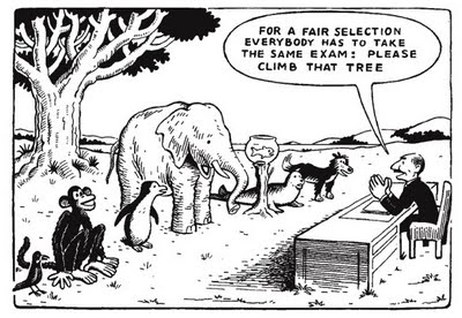
How is this not a fair test for intelligence?

Key Knowledge
  • Strengths and limitations of scientific methodologies used to measure intelligence the Wechsler’s intelligence scales.
Homework task 
No formal homework from this lesson. 

Exam Revision Questions
Learning Activity 11.3 (Q1 - 3, p. 409)

Lesson Resources


Lesson 6 - Dietrich v The Queen (1992)

All About - Dietrich v The Queen

Key Knowledge
An Australian case that illustrates rights issues and the empowerment of the people, and its impact on the legal system: 
  • The role of an individual or group launching a test case. 
  • Facts and issues central to the case - a question of rights. 
  • Conflicting attitudes. 
  • Laws applied to the case. 
  • Outcome of the case. 

Homework task
  • Check your understanding (Q1 - 5, p. 473). 
Submission Requirements
  • Due for checking on Tuesday 15th September. 
Lesson Resources

Lesson 5 - How can we measure intelligence in children?

How has the Stanford and Binet tests changed over time? 

Key Knowledge and Skills
  • Participate in a range of emotional activities encompassing Peter Salovey and John Mayer's ability - based model of emotional intelligence. 
  • Strengths and limitations of scientific methodologies used to measure intelligence: Intelligence Quotient (IQ), Stanford-Binet test and Wechsler’s intelligence scales.
Homework task
  • Poster about yourself! (BRT)
Submission Requirements
Hand it to Miss. B on Monday 14th September.

Exam Revision Questions
Learning Activity 11.2 (Q1 - 3, p. 407)
Lesson Resources